
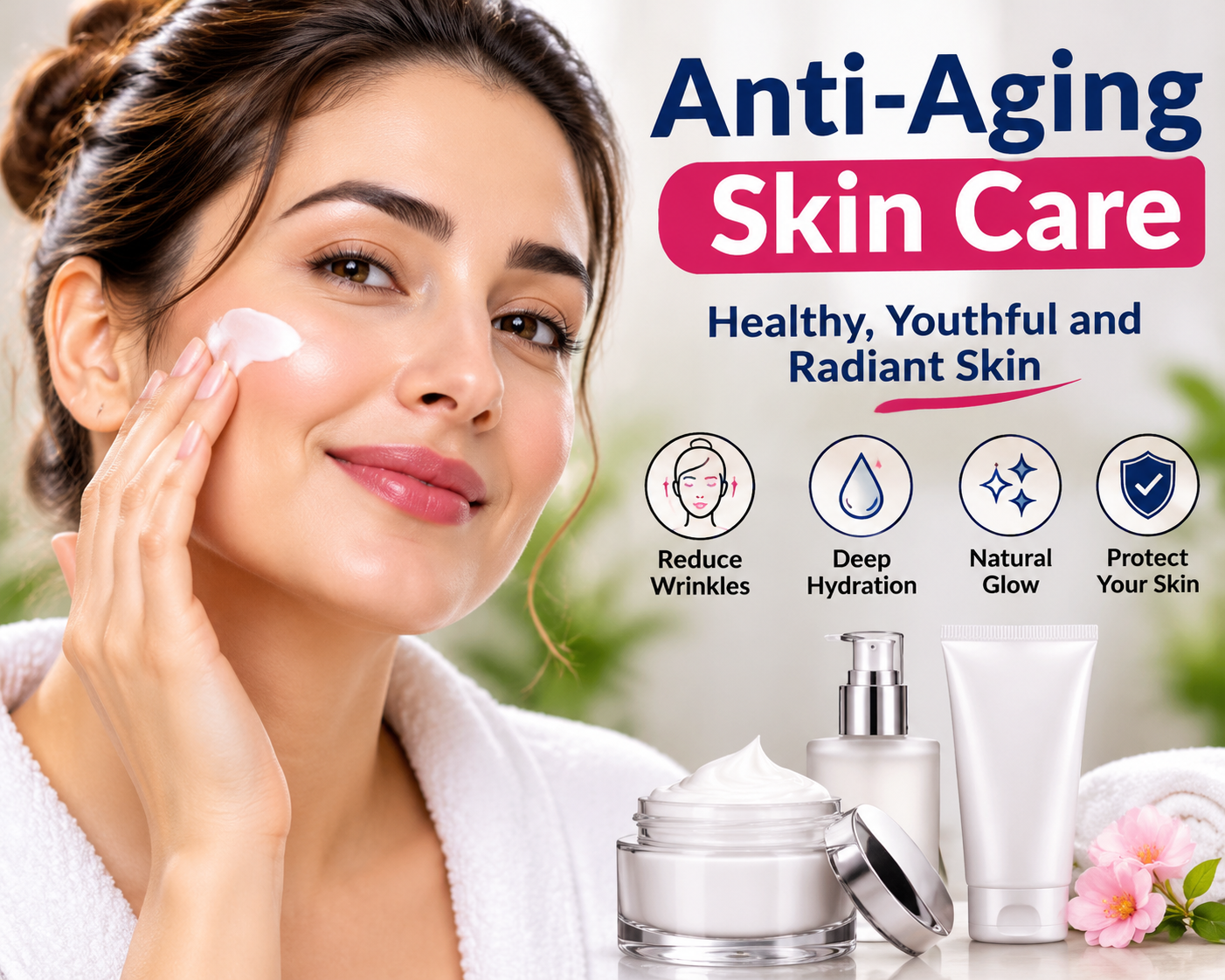
Daily skincare works best when products are easy to understand and simple to apply. A cream can serve as the comforting final layer of a routine, helping the face feel soft after cleansing or treatment. Yet not every formula is suitable for every complexion. A practical approach to anti-aging cream selection considers skin type, texture, ingredient purpose, and the time of day it will be used. Small, consistent steps are more dependable than complicated routines that are difficult to maintain.
Think about how your skin behaves through the day. If it becomes oily quickly, a light lotion may be more comfortable than a thick cream. If it feels rough or tight, a richer formula may provide the extra emollients it needs. Combination skin can benefit from applying a lighter layer over most of the face and a little more on dry patches. Climate and indoor heating can also affect how much moisture your skin needs.
This range of anti-aging cream
Read Your Skin’s Daily Signals
A useful formula may contain humectants, emollients, and ingredients that support the barrier. Glycerin attracts water, while ceramides help reinforce the outer skin layer. Niacinamide is included in some products to support barrier function and improve the appearance of uneven tone. Retinol may be used for visible texture and fine lines, but it can irritate the skin. Check the product directions and do not assume that a higher concentration is automatically a better choice.
Use cream in the right place within your routine. After cleansing, apply any lightweight treatment product first if its directions recommend that order. Follow with moisturizer to reduce dryness and improve comfort. In the morning, finish with broad-spectrum sunscreen of SPF 30 or higher. A cream containing SPF may contribute to protection, but only when it is broad-spectrum and applied in the amount required by its label. Reapplication remains important when outdoors.
Apply Products in a Useful Sequence
A daily schedule does not need separate products for every hour. Many people can use the same basic moisturizer morning and evening, with sunscreen added during the day. A richer night cream may be helpful if the skin feels dry, but it is optional. If you use a retinoid or exfoliating treatment, moisturizer can help reduce dryness. Follow the instructions for each active product and avoid adding several irritating ingredients at once.
Pay attention to how the cream feels after application. A slight moisturizing film can be normal, but persistent burning, itching, or redness is not a sign of success. Stop using a product that causes a continuing reaction. Fragrance-free formulas may be easier for sensitive skin, although no label guarantees that a product will suit everyone. Patch testing a new cream on a small area can help you notice possible sensitivity before full use.
Care for the Formula
Good application habits protect both the product and your skin. Wash your hands before dipping into a jar, use a clean spatula if provided, and close the lid firmly. Avoid rubbing vigorously, especially around the eyes and mouth. Use the product only on areas named by the manufacturer. Keep it away from excessive heat and direct sunlight, and discard it according to its expiry guidance.
Do not expect a cream to erase deep wrinkles or replace medical care. Hydration can make some fine lines look less prominent, while active ingredients may take time to affect visible texture. Results vary, and persistent pigmentation, rashes, acne, or changing spots deserve professional assessment. Ask a dermatologist if you are uncertain whether a retinoid or another active ingredient is appropriate for your circumstances.
Know When to Seek Advice
The most practical product is the one that fits your routine without causing discomfort. Choose a suitable texture, review the ingredient list, apply it consistently, and make sun protection part of daytime care. Used sensibly, anti-aging cream can support softness and a smoother appearance while remaining one part of a broader approach to skin health.
A Simple Daily Checklist
Keep the routine manageable: cleanse without stripping, moisturize for comfort, use broad-spectrum sunscreen during the day, and introduce only one targeted active at a time. Follow product directions and seek qualified advice for persistent irritation or changing skin concerns.
 owais