
Problem first — why this matter hits farms hard
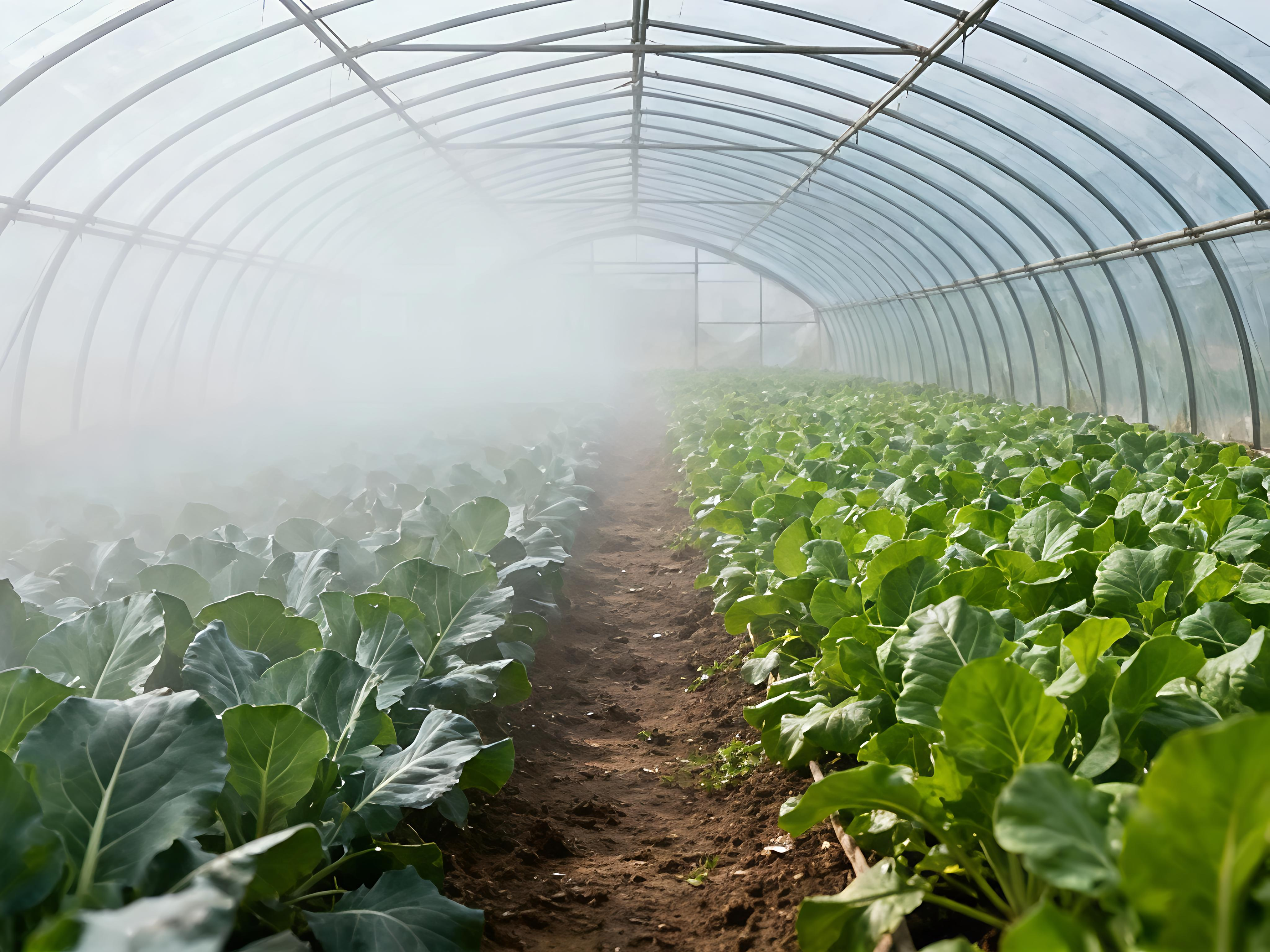
Aight, growers been told biodegradable film gonna save time and cut trash, but a lotta us end up with brittle rolls, films that don’t break down, or mixes that clog compost piles. You might be shopping for greenhouse sheeting and expect the same reliability, but biodegradable mulches got different rules. This piece right here breaks down what go wrong and how to avoid wasting money and time.
Where the problem comes from
Manufacturers label things “biodegradable” without matching field reality. Films degrade under specific microbes, temperatures, and soil conditions — if your soil’s cold or low on microbes, that film ain’t gonna do what the label promises. Buyers also get confused by vague specs, varying polymer blends, and inconsistent UV packages. Result: plastic fragments left in beds, plants stressed, and extra labor to remove half-degraded strips.
Real-world anchor and why I trust this info
I’ve seen this on greenhouse farms outside Almería where growers switch films mid-season and watch yields drop when mulch fails under high salts and heat — that region’s intensive greenhouse production is widely studied and shows how film choice matters for both yield and waste management. For a clear look at how production and quality control matter, consider sourcing from an established greenhouse film factory that shares lab testing and field results. I’ve worked with field managers and agronomists who compare manufacturer test sheets against in-field performance before signing a PO; that hands-on check stops most surprises.
Concrete checklist — what to inspect before you buy
Don’t buy on name alone. Check these points: confirm the biodegradation standard (look for EN 17033 or compostability claims backed by ASTM/ISO test reports), ask for lab test sheets showing tensile strength and elongation after UV exposure, verify polymer mix (PBAT/PLA/starch blends work differently), request field trial summaries, and confirm recommended soil conditions and disposal method. Also note typical thickness ranges — thinner isn’t always better; durability matters until the crop’s done.
Common mistakes and better alternatives
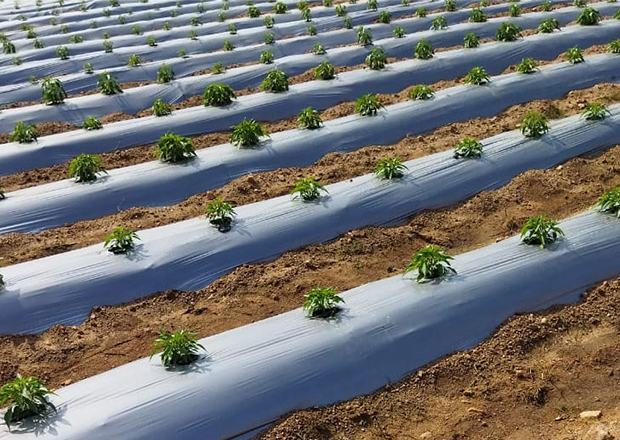
People assume “biodegradable” means toss-it-in-field. That’s wrong. Mistakes: buying on price only, skipping site-specific trials, and assuming the film composts in cold soil. Alternatives to consider: recyclable PE with retrieval plans if you have good collection logistics, paper mulches for short-season crops, and certified biodegradable films that match your soil and climate. Each option costs and performs different — align choice to labor availability and end-of-season handling.
Straight-up buying steps for growers
Run a one-season trial block. Get technical sheets and ask for third-party lab numbers. Talk to other growers in similar climates about field performance. Set clear specs in the purchase order: required standards, batch testing, and acceptance criteria for elongation and UV retention. Make sure your waste plan matches the film’s disposal needs — some films need industrial composting, others break down in soil over a single season.
Bottom line
If you want predictable performance, match the film to your field conditions and insist on verifiable test data and trial results. That upfront work cuts headaches later and keeps soil clean without surprises. Folks who do this tend to source from suppliers that publish specs and field trials — that approach is what growers trust when picking the right supplier, like HGDN.
 Admin