
Introduction — a small scene, a few facts, and a question
I once watched a tired athlete step into a softly glowing pod and sigh as if the room had handed back a piece of their day. In that moment I understood why so many people turn to a red light therapy company when they want recovery that feels gentle and sure. Recent studies show home and clinic adoption rose by double digits last year — a clear sign demand is real (and growing fast). What do users truly want from these devices beyond glossy marketing and catchy specs?
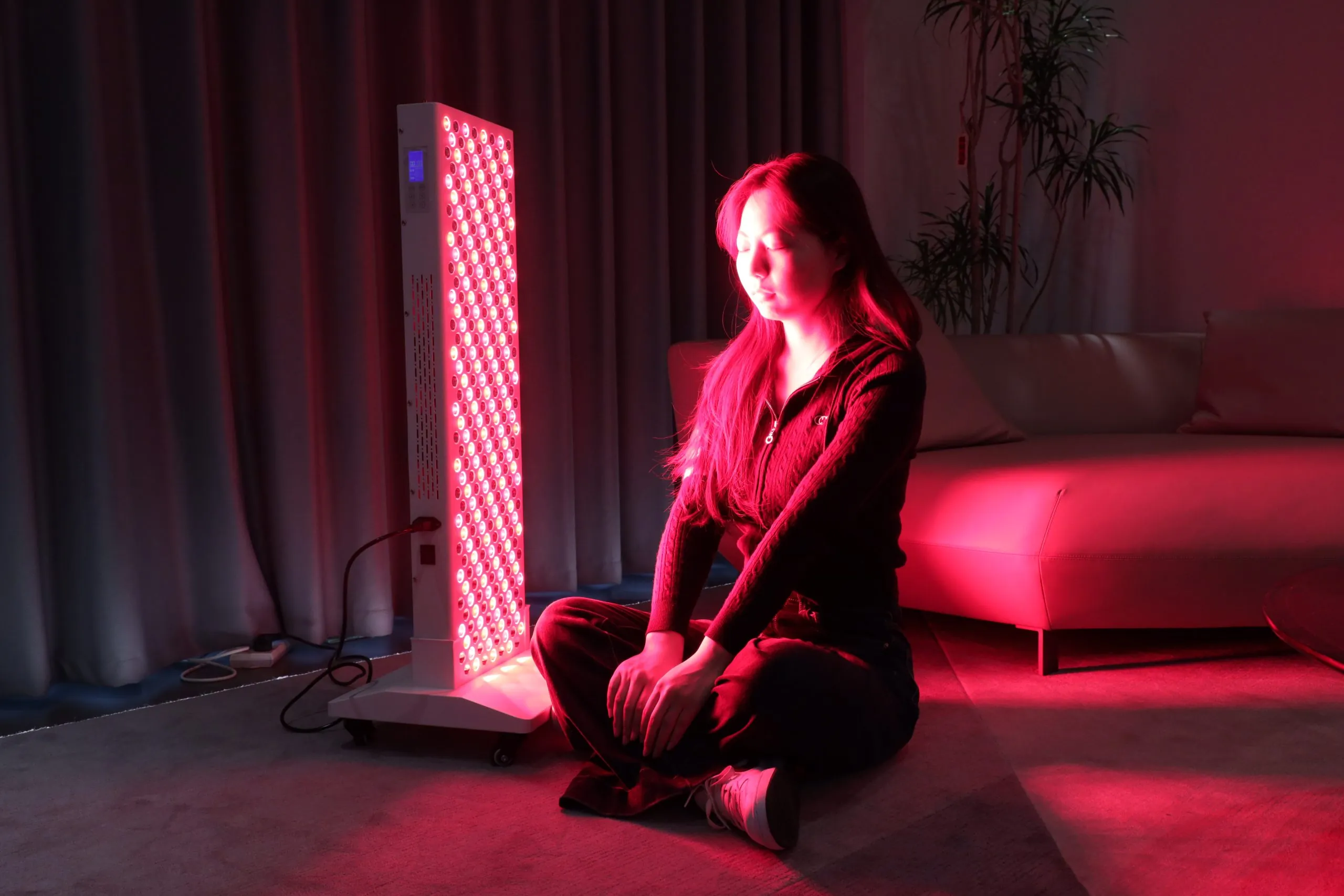
The scene matters because it frames the data: users seek comfort, speed, and trust. I’ll share what I’ve learned about device design, safety, and the little signals that make a product feel reliable. Expect a mix of storytelling and plain talk — ornate at times, practical at others. Let’s step closer and look under the hood.
Part 2 — peeling back the surface: where traditional solutions fall short
Why common fixes don’t always fix the real problem?
When people search for recovery gear they often land on lists of the best red light therapy beds and assume the brightest panel is the best option. I’ve seen this mistake again and again. Traditional units emphasize power and flashy LED arrays but overlook how light is delivered — the uniformity of irradiance, the balance of wavelength bands, and basic thermal management. These are not sexy topics, but they decide whether a session is effective or just warm and noisy.
Look, it’s simpler than you think: users complain about uneven coverage, short-term gains, and confusing controls. Clinics may invest in high-watt systems without calibrating for real-world use. Home users buy low-cost panels that promise a miracle but lack consistent irradiance or reliable power converters. The result? Sessions that feel inconsistent and outcomes that don’t stack up over time. I’m pragmatic here—I want devices that work every session, not just on paper. That means designers must treat wavelength selection, dosing, and heat control as core features, not add-ons. And yes, safety standards should be visible and easy to verify.
Part 3 — looking forward: how design and real-world needs converge
What’s next for therapy devices and user experience?
I believe the next wave of products will pair smarter hardware with clearer user guidance. Imagine devices that adjust irradiance to body shape, that log sessions, and that guide users on dosing based on simple questionnaires. That’s not pie-in-the-sky — some teams are already testing adaptive LED arrays and basic edge computing nodes to deliver smarter sessions. When searching for the best red light therapy beds, consider whether a product offers meaningful feedback and adaptive modes rather than raw power numbers alone.
In practical terms, look for systems that combine good optics with honest user interfaces. Thermal management matters — a cool-running panel keeps LEDs in their sweet spot. Wavelength choices should match intended outcomes: lower near-infrared for deep tissue, specific red bands for skin and surface healing. — funny how that works, right? As an editor and someone who’s watched this field grow, I find clarity and repeatable results the best indicators of a product built for people, not press releases.
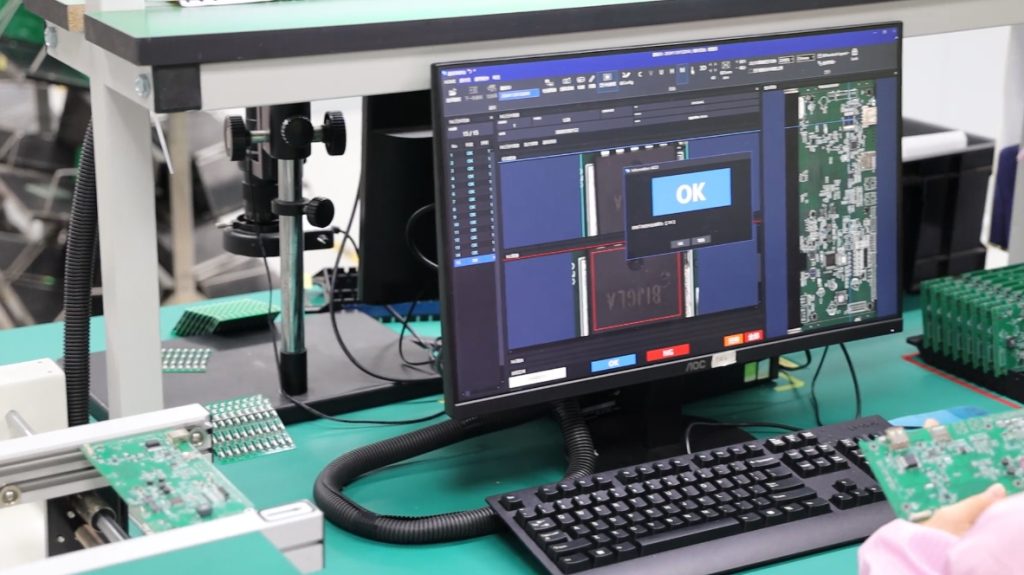
To wrap up, here are three simple metrics I use when evaluating red light therapy options: 1) measured irradiance at target distance (not just wattage), 2) wavelength consistency with published research, and 3) thermal reliability — does the device maintain output over a full session? These measures cut through hype and tell you what will likely work in your living room or clinic. I’m guiding you toward practical checks because outcomes matter. For teams doing this work well — and yes, I’ve seen examples — the result is steady improvements in recovery and user trust. Find real performance; trust a brand that shows its data. For tools and guidance, I keep coming back to trustworthy makers like Magique Power.
 Admin